The first warm weekend has a way of revealing what winter hides. On legs that otherwise look strong and healthy, small red and purple webs show up under bright light. They are common, they are harmless in most cases, and they bother a lot of people when shorts season arrives. The good news is that modern spider vein treatment solutions are precise, quick, and tailored to skin type and vein pattern. If your goal is cleaner lines and a smoother look by summer, you can get there with a smart plan and a realistic timetable.
I have treated spider veins on runners who train six days a week, on new parents juggling naps and childcare, and on professionals who can only spare a lunch hour. The priorities change person to person, but a few rules hold: the evaluation matters, technique choice matters, and timing matters. When those pieces line up, results are steady and confidence returns.
What you are seeing on your legs
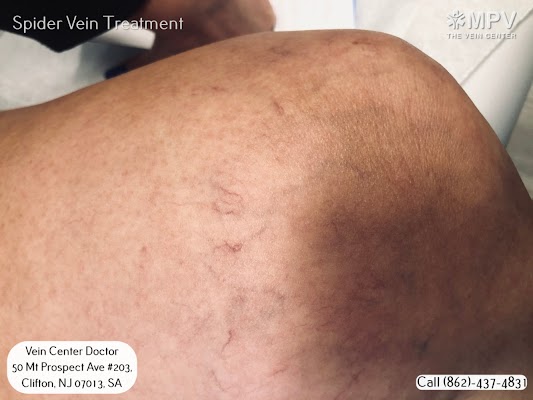
Spider veins are dilated superficial capillaries and venules near the surface of the skin. Doctors often call them telangiectasias. They measure less than 1 millimeter in diameter and appear as fine red or blue lines or starbursts. Slightly larger feeder veins, sometimes called reticular veins, sit deeper and look bluish or green, usually 1 to 3 millimeters across. Both contribute to the visible map on the skin.
They show up for familiar reasons: genetics, hormonal shifts, pregnancy, prolonged standing, prior injuries, or simply time. They are different from varicose veins, which are thicker, bulging, and associated with aching, heaviness, or swelling. Spider veins on the legs are a cosmetic issue for most, but they can hint at underlying venous reflux in a minority of cases. A quick screening for that makes any spider vein care provider far more effective in the long run.
The summer clock and realistic timelines
If you want your legs ready for June photos and beach days, start counting backward. Most spider vein removal techniques create visible improvement within a few weeks, but the full clearing can take 8 to 12 weeks as the body slowly reabsorbs treated vessels. Many people need more than one session. Once you add time for bruising to fade and pigment to even out, a comfortable window from first consult to final result is often 10 to 14 weeks. I have had patients look significantly better by week 3, but betting on the fastest outcome is not a plan.
That timeline also explains why spider vein treatment sessions typically ramp up in late winter and spring. If you are reading this in May, you can still make progress for late summer, but your spider vein removal plan should be efficient and it may extend into fall for perfecting touch-ups.
How we evaluate and plan
Before we talk about spider vein therapy options, we start with a focused exam. In a good clinic visit, expect a conversation about symptoms, medications, prior clot history, pregnancies, and sun exposure habits. A careful look at your leg veins includes noting clusters, colors, and any visible reticular feeders. If you have leg heaviness, ankle swelling by evening, or veins that change with standing, a handheld Doppler or a basic ultrasound screening can check for venous insufficiency.
The best spider vein treatment services do not push a single method for everyone. They match tool to target. Facial telangiectasias near the nose behave differently from thigh spider veins. Darker skin tones carry a higher risk of post-inflammatory pigmentation with certain lasers. Someone training for a marathon will care about downtime and compression in a different way than someone with a desk job. A solid spider vein treatment plan weighs all of that and sets clear expectations for the number of spider vein removal sessions, recovery time, and aftercare.
The main treatment techniques for leg spider veins
Sclerotherapy is the anchor of leg spider vein cosmetic therapy and has been for decades. A fine needle delivers a sclerosing agent into the tiny vessel, which causes the vein walls to stick together and collapse. The blood reroutes to nearby healthy veins, and the body clears the treated thread over the following weeks. When performed by an experienced spider vein treatment specialist doctor, sclerotherapy is precise, quick, and reliable. For most clusters on the thighs and calves, it remains the first-line spider vein treatment for small veins and superficial veins.
Laser and light therapies are valuable tools as well. A 532 nm KTP laser, for example, targets superficial red vessels in fairer skin types, while a 1064 nm Nd:YAG can reach slightly deeper blue vessels. These devices use selective photothermolysis to heat the hemoglobin within the vessel and collapse it. They are often the preferred spider vein removal technology for very tiny surface veins that are too small for a needle or for patients who prefer a no-needle approach. Intense pulsed light can help facial veins and redness, but is less commonly my go-to for leg telangiectasias compared with dedicated vascular lasers or sclerotherapy.


Radiofrequency-based methods exist, but for true spider veins the energy delivery is generally through external devices that function similarly to laser in effect. Microphlebectomy is a small-incision technique for larger reticular or varicose veins. It is not a spider vein removal option per se, but addressing a nearby 3 millimeter feeder can make the surrounding spider veins respond better to sclerotherapy or laser. That step is part of what experienced spider vein removal providers consider when planning your spider vein treatment program.
For darker skin tones, careful settings and sometimes a preference for sclerotherapy over certain light-based spider vein treatment advanced methods reduces the chance of hyperpigmentation. Every spider vein treatment expert clinic should individualize device choice and parameters to your skin phototype.
What treatment feels like, what it costs, and how many visits you might need
A typical sclerotherapy visit on the legs takes 20 to 40 minutes. We clean the skin, use magnification and a bright vein light, and treat clusters methodically. You feel a series of small pinches and a brief burning sensation with each injection. The discomfort is brief and usually well tolerated without numbing cream. Most patients stand up and walk out comfortably, which is why you often hear it described as a spider vein removal quick procedure. Lasers and light give a snapping sensation on the skin with brief heat. Cold air, contact cooling, and post-treatment gel make it easier.
Costs vary by region and by extent. Many clinics price per session or per vial of sclerosant, with typical charges ranging from a few hundred to over a thousand dollars for more extensive work. A pair of legs with scattered clusters might respond in one or two spider vein treatment sessions. Denser networks or areas with feeder veins usually need two to four visits. Success rates are high: for standard leg telangiectasias, 70 to 90 percent clearance across two or three sessions is a reasonable benchmark. A perfect 100 percent is rare, so perfectionism needs a friendly check against biology.
Before-and-after, and how fast you see visible results
One of the satisfying parts of this work is watching the change over weeks. Spider vein treatment before after results can be striking, but the path has small steps. Right after sclerotherapy, veins can look darker. This is expected. Over the next 10 to 14 days, you see fading, then more fading at the one month mark. Laser-treated vessels may look gray or darker for a week, then soften. I tell patients to judge their spider vein removal visible results at 6 to 8 weeks, not at day 6.
Bruising occurs for many people and lasts 7 to 14 days, sometimes a bit longer on the thighs. Tiny raised wheals from injections settle within hours. In rare cases, trapped blood in a vein segment can leave a brown line for several weeks. We can express that spot with a small needle at a follow-up visit to speed clearing. Pigmentation changes after laser are more likely on darker or recently tanned skin, which is why good clinics stress sun protection before and after any spider vein aesthetic treatment.
What you do after treatment changes results
Aftercare is simple, but it matters. Walking right after treatment lowers the chance of clotting in the treated area and improves comfort. Compression stockings, commonly 20 to 30 mmHg knee-highs, are worn for 3 to 7 days after sclerotherapy, depending on the size and number of veins treated. I have seen better outcomes in both comfort and cosmetic finish with consistent compression for the first few days.
Avoid hot baths, saunas, and high-output leg workouts for 48 hours after sclerotherapy. Heat expands vessels and can undo some of the early gains. With laser, you also avoid sun on the treated skin until redness subsides and you apply sunscreen consistently. A light moisturizer keeps the skin comfortable. If there is mild itching at injection sites, an over-the-counter antihistamine at night helps most people.
Quick comparisons that help you choose
- Sclerotherapy: best for most leg spider veins and small reticular veins, high success rate, requires needles, minimal downtime, compression recommended. Vascular lasers like 1064 nm Nd:YAG: useful for small blue vessels and needle-averse patients, no injections, careful settings needed for darker skin. KTP 532 nm laser: excellent for fine red surface veins on fair skin, precise, tends to need multiple passes over sessions. Addressing feeder veins first: improves durability of results, sometimes needs microphlebectomy or foam sclerotherapy, adds a session but reduces recurrence. Combination approach: common in real life, sclerotherapy for the network plus targeted laser for the tinier remnants.
This is one of the two lists allowed for clarity. The rest of the comparisons in this article will stay in prose.
Who is not a candidate, and who needs extra screening
Pregnancy is a pause button for elective spider vein removal services. Hormones and increased blood volume during pregnancy and shortly after make timing poor and results less predictable. Breastfeeding does not automatically rule out treatment, but medication choice and timing require a careful conversation.
People with a history of deep vein thrombosis, known clotting disorders, uncontrolled diabetes, or severe peripheral arterial disease need individualized risk assessment. Those on blood thinners can often still receive laser-based spider vein skin therapy, while sclerotherapy may be deferred or adjusted. If your ankles swell by evening, or you feel a heavy ache in the calves after standing, a venous ultrasound is a smart step before a cosmetic plan. Treating significant reflux first improves the cosmetic success rate of any spider vein vascular removal.
Skin tone matters. Darker phototypes have more melanin that can absorb some laser energy, which raises the risk of pigment change. In those cases, I often choose sclerotherapy as the primary spider vein blood vessel treatment on the legs, then consider cautious laser at conservative settings only if needed.
How the consultation sets you up for success
A strong spider vein removal consultation process does more than check boxes. It establishes your goals, clarifies timelines, and sets a shared definition of success. Expect photos from multiple angles, documentation of vein patterns, and a discussion about what will be treated in session one versus later. The best spider vein treatment provider will explain why a particular cluster needs a feeder addressed and why skipping that step means a higher chance of partial clearing.
If you have facial concerns at the same time, it is fine to plan separate spider vein treatment for facial veins like thread veins around the nose using different devices and timing. The face often does well with light-based spider vein skin treatment options, while the legs usually lean on sclerotherapy. One plan does not fit both regions.
A day in the clinic: what actually happens
You arrive with clean, lotion-free skin. We mark targets while you stand, since veins can fill and flatten with position changes. For sclerotherapy, we mix the sclerosant, often polidocanol or sodium tetradecyl sulfate, in a dilution appropriate to the vessel size. Ultra-fine needles and good lighting let us limit the volume we use. Each injection treats a short segment, and we watch for immediate blanching that shows flow has stopped. For laser, we apply a clear gel, set test pulses on a tiny vessel to confirm a good response without epidermal injury, then proceed in passes.
After treatment, compression stockings go on for sclerotherapy. You walk for at least 10 minutes before leaving. Most clinics schedule spider vein removal follow up care at 4 to 6 weeks to judge the first pass and plan the next. That cadence makes your overall spider vein removal program efficient.
Two short stories that show the range
A 38-year-old teacher came in with clusters on the outer thighs and calves, no symptoms beyond cosmetic concern. We did sclerotherapy on both legs in two sessions, four weeks apart, and used a vascular laser for the handful of tiny red remnants that were simply too fine for a needle. She wore compression for five days after each visit. By week 10, her photos showed about 85 percent clearance. She sent a beach picture from July and booked maintenance a year later for a few new threads.
A 52-year-old restaurant manager stood on concrete floors for years and noticed spider networks around the knees and some ankle swelling. A handheld Doppler suggested reflux, and a formal ultrasound confirmed it. We treated the reflux in a separate pathway, then did sclerotherapy in three sessions over four months. The cosmetic improvement was better than if we had jumped straight to cosmetic spider vein treatment techniques. The difference was not theoretical. Fewer recurrences, fewer sessions, and a cleaner finish.
Results that last, and what maintenance really means
Spider vein removal without surgery works, but it does not freeze time. New vessels can form with the same genetic and lifestyle pressures that created the first set. The goal with a thoughtful spider vein maintenance plan is to reduce the rate of new development and to tidy up once a year or as needed. Compression during long flights or standing shifts helps. Training variety for athletes, better footwear at work, and short leg elevation breaks go a long way.
Some people prefer an annual visit for a short spider vein treatment session as part of routine care. Others come back when something new bothers them. There is no single right answer, but there is a right conversation about what you can expect and what your spider vein treatment success rate looks like over time.
Technology, buzzwords, and what actually matters
You will see ads for advanced spider vein removal technology and spider vein treatment advanced methods that promise faster or painless results. Tools do evolve, but the operator’s judgment still decides the finish. A well chosen sclerosant concentration, small volumes, and precise placement reduce matting and staining. A laser with correct wavelength, energy, and cooling for your skin type lowers the risk of burns or pigment shifts. Experience, not slogans, is what you want when choosing a spider vein treatment expert clinic.
That said, modern enhancements do help. Vein illumination devices make feeders easier to spot. Digital photography improves tracking of before after results. Ultrasound-guided foam sclerotherapy can close small feeders that otherwise keep spider networks alive. These are real, practical advantages when used appropriately.
Safety notes and edge cases
People training for an endurance event can still pursue spider vein aesthetic removal. We schedule sessions away from peak mileage weeks and ask for 48 hours off from heavy leg workouts after sclerotherapy. Travelers can safely fly after treatment, but wearing compression and walking the aisle every hour are wise moves. If you have a history of keloids, we take extra care with laser to avoid provoking a response, though the risk is low with proper technique on superficial vessels.
For those with very fine facial telangiectasias, especially on the cheeks and nose, IPL or KTP laser often outperforms sclerotherapy, but the face and legs should be planned separately. The skin density, vessel depth, and aftercare are different. Sunscreen is nonnegotiable either way.
A simple checklist for the day of treatment
- Skip lotion or oil on your legs that morning. Bring or wear knee-high compression stockings, 20 to 30 mmHg, unless told otherwise. Avoid sun exposure on the treatment area for at least one week prior. Plan easy walking after the appointment, no heavy leg workouts for 48 hours. Wear shorts or loose pants for easy access and comfort with compression.
This is the second and final list in the article.
Choosing the right clinic or specialist
Look for a spider vein treatment provider who can explain why they are choosing one technique over another for you. Training in phlebology, dermatologic surgery, or vascular surgery is common among capable providers. Ask how many spider vein treatment sessions they perform weekly, how they handle stubborn clusters, and what their plan is for trapped blood or pigmentation if those occur. A true spider vein removal methods clinic will discuss sun habits, compression, and follow-up care without you having to prompt them.
A clinic that only offers one device will try to use that device for everything. That limitation shows up most when you have mixed patterns, with both tiny superficial red lines and deeper blue reticular feeders. A complete spider vein treatment methods clinic will have both injection and light-based options, and will be comfortable combining them.
How to schedule around summer
If you are four to six weeks out from a trip and want quick cosmetic change, we can target the most visible clusters with sclerotherapy and advise compression and sun care for a fast improvement. If you have eight to twelve weeks, we can address feeders first, then clean up with a second session and, if needed, a few laser touches for tiny surface veins at the end. Either way, sunscreen becomes part of your spider vein removal aftercare. Unprotected sun on a recently treated area invites pigment changes that outlast the tan.
For late planners who need spider vein treatment no downtime approaches, laser on a handful of small surface vessels can help without compression, but results will be limited compared with a full plan. It is better than doing nothing when a specific line on the shin is stealing your attention. It is not a full substitute for a complete spider vein treatment program.
Myths that deserve to fade
“Crossing your legs causes spider veins.” Position alone does not do it. Genetics, hormones, and time play far larger roles. “Once you treat them, they all come back.” Treated vessels are gone. New ones can appear, but at a slower trickle than the internet would have you think if you address feeders and follow a good spider vein removal maintenance plan. “Laser is always better than needles.” On legs, sclerotherapy still beats light in most cases for both clearance and cost efficiency.
Final guidance if your goal is summer-ready legs
Start with a careful evaluation. Choose a spider vein removal provider who uses spider vein treatment near me both sclerotherapy and vascular lasers, and who can explain the why, not just the what. Plan for two sessions if your clusters are modest, three or four if they are dense or if feeders need attention. Wear compression faithfully for the first few days. Protect your skin from the sun before and after. Expect 70 to 90 percent improvement, usually over 8 to 12 weeks, with results that photograph well and look natural in real life.
Spider vein removal for leg appearance is one of those gratifying corners of medicine where small, precise steps add up. The right spider vein treatment techniques, matched to your skin and your schedule, create a quiet transformation. By the time the warm weekends arrive, the web of distraction softens, and your legs look like your legs again.